Voice Care and Training for Professionals Experiencing Vocal Strain or Fatigue in the Workplace
If your voice feels tired, strained, or harder to project by the end of the day, you are not alone.
Whether you are coaching on the field, teaching in the classroom, leading meetings or conferences, or performing, your voice needs strength, clarity, and endurance.
Coaches, teachers, and working professionals rely on their voice for hours at a time. When it is not well supported, fatigue builds, tension increases, and projection can start to feel stenuous.
Voice training for the workplace is not about changing your natural voice or learning something complicated. It is about understanding how your breath and body support sound, and making small, practical adjustments that create noticeable results.
With the right guidance and practice, you can:
- Improve clarity and projection
- Speak without unnecessary strain
- Build steady vocal stamina
- Feel more confident using your voice at work
- Reduce vocal fatigue
These are practical, learnable skills designed for real working environments. Your voice can feel supported, reliable, and sustainable throughout the day.
Breath
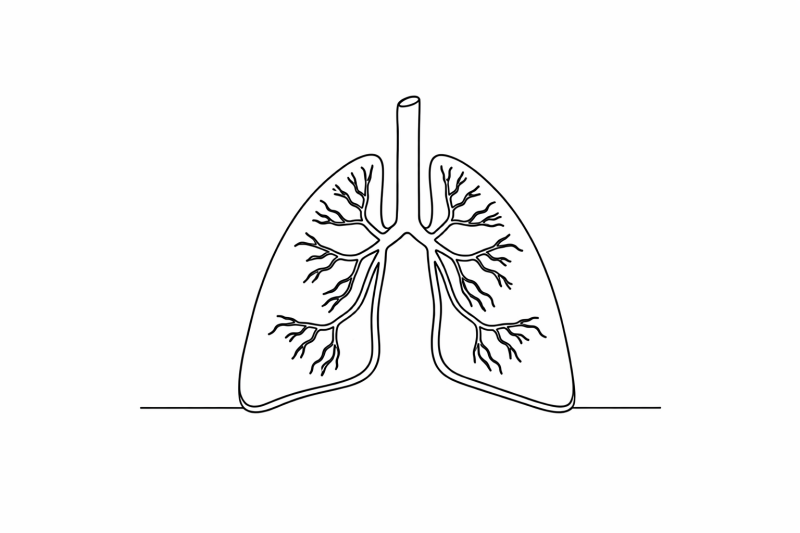
The voice is closely linked to the way we breathe.
When breathing is well supported, the voice tends to feel more stable and easier to use. When it is not, the body often compensates, which can lead to tension, effort, and fatigue.
With more efficient breathing:
- Projection feels easier
- Tension reduces
- The voice is more consistent
- Stamina improves
Developing awareness of the breath is a key part of supporting a healthy, reliable voice.
Tension

Vocal tension occurs when unnecessary muscles become involved in producing sound.
When breath and posture are not well coordinated, areas like the neck, jaw, and shoulders can take over, leading to strain and fatigue.
Common signs include:
- Tightness in the throat
- Jaw or shoulder tension
- A forced or effortful voice
- Vocal fatigue
With better coordination, the voice feels clearer, more stable, and easier to use
Techniques
Breathing exercises help to build support and reduce unnecessary tension and vocal exercises then help coordinate breath with sound, supporting clearer, more efficient voice use.
Whether coaching outdoors, teaching in a classroom, or leading meetings, this can help to:
- Project without shouting
- Improve vocal stamina
- Reduce end of day fatigue
- Clearer and more controlled voice
With regular practice, the voice tends to feel more steady, supported, and sustainable.
"Around 1 in 13 adults experience a voice problem each year"
(Royal College of Speech & Language Therapists / NHS-aligned data)
1 in 7 teachers have needed medical support for their voice, with some requiring specialist referral
Many professionals who rely on their voice are at significantly higher risk of vocal fatigue and strain
FAQ's
Not sure what’s right for you?
I’m happy to advise, get in touch via the contact page and tell me a bit about you or your group.
Maak jouw eigen website met JouwWeb